




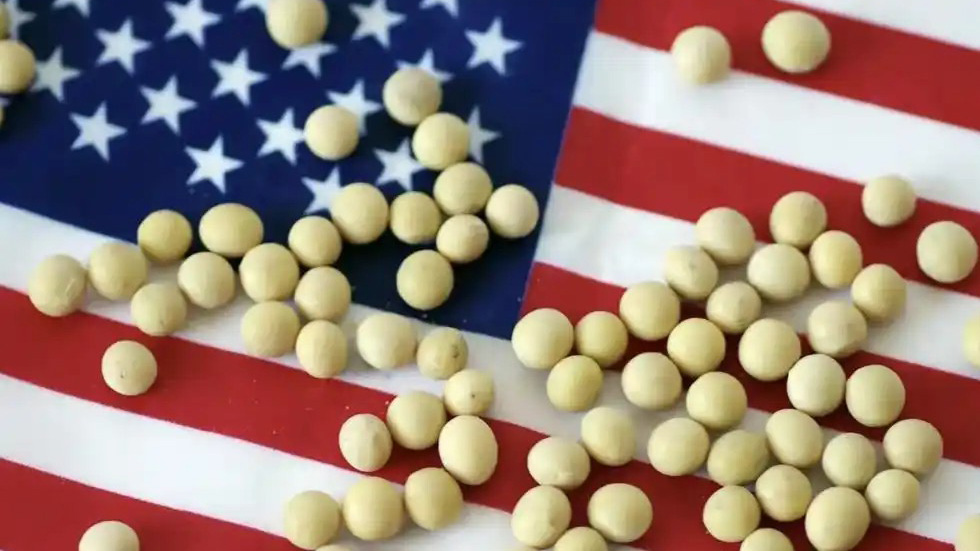
The situation we're dealing with right now is pretty tough. September is here, and the southern U.S. is in the middle of harvest time. But there's a problem—out of all the crops ready to be picked, we don’t have any soybeans to sell to China. Caleb Ragland, who chairs the American Soybean Association, recently talked about how serious this is in an interview.
Outward Opening Aluminum Casement Windows & Insulation Aluminum Window Screen Integrated
Historic Dependence, Practical Gap
U.S. agriculture is really in a tough spot right now. According to Fortune magazine, even though it's harvest time for soybeans, China—our biggest buyer for years—hasn't ordered anything. Ragland pointed out, "China usually buys about a quarter of all U.S. soybeans. Normally, we'd have 8% to 9% of our soybeans already spoken for by now, but right now, there's nothing. That’s definitely cause for concern."
Outward Opening Aluminum Casement Windows & Insulation Aluminum Window Screen Integrated
Major Shifts in the Trade Landscape, Brazil Gains the Upper Hand
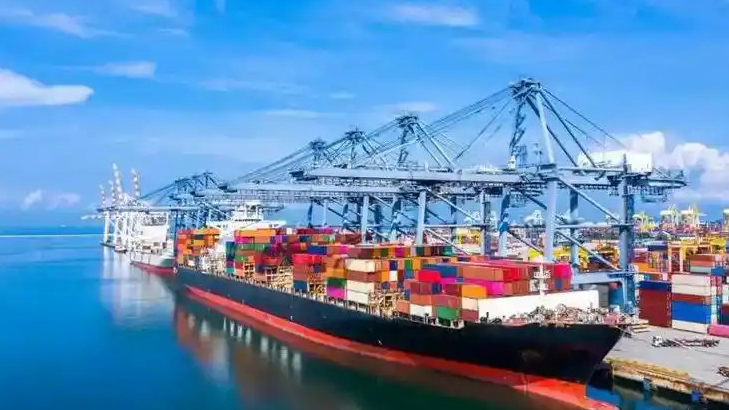
Brazil now supplies up to 71% of China's soybean imports, while the U.S. has dropped from 20% in 2016 down to just 12%. The main reason is price—because of tariffs, U.S. soybeans cost about 600 yuan more per ton once they’re shipped, which makes them much less competitive compared to Brazilian soybeans.
China's Strategic Preparations to Address Supply Risks
China’s clear about its plans and is getting ready. At home, the “Domestic Soybean Renewal Initiative” aims to boost soybean production to over 23 million metric tons by 2025, which would be about 60% more than in 2017. On top of that, port stocks of more than 8 million metric tons, along with national reserves, would be enough to cover demand for up to three months if needed.
Outward Opening Aluminum Casement Windows & Insulation Aluminum Window Screen Integrated
U.S. Farmers' Plight, Costs of Political Maneuvering
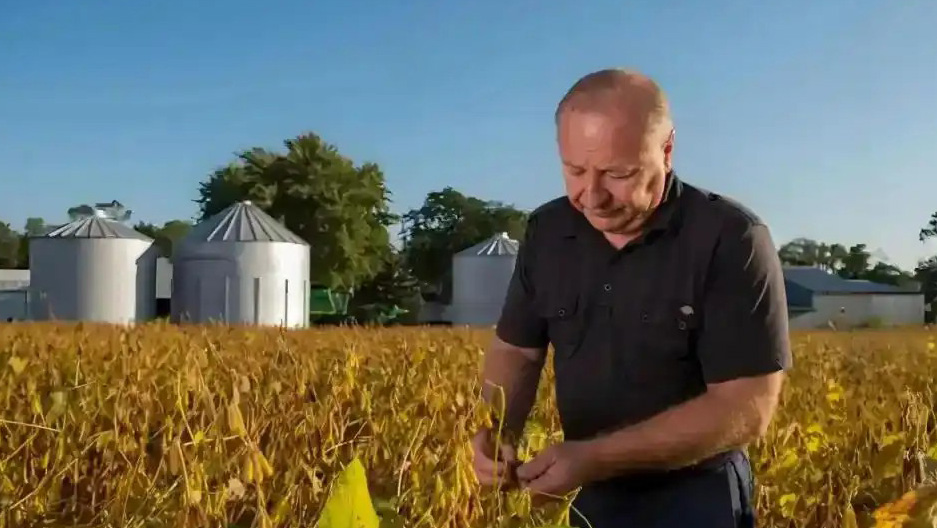
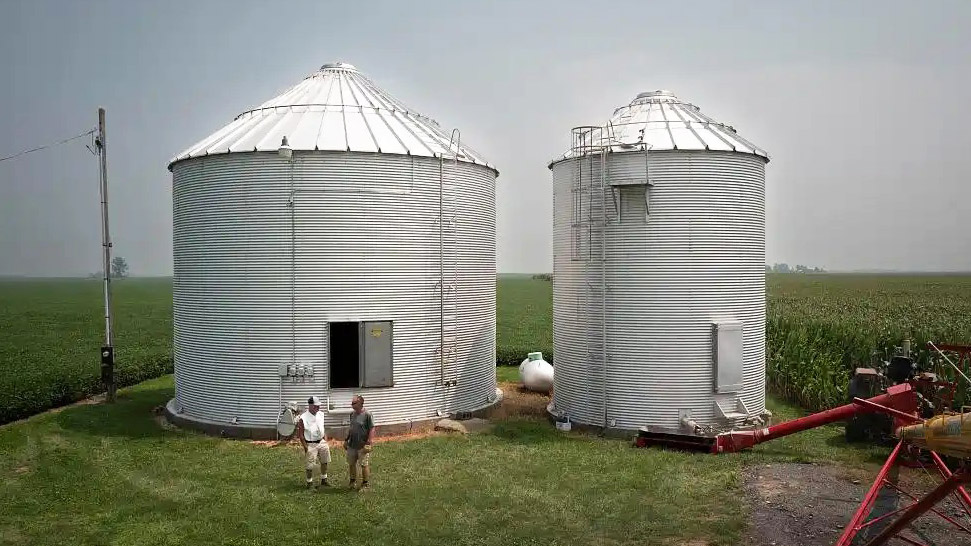
U.S. soybean farmers are taking a big hit from the trade war. About 7 million tons of soybeans might go unsold and spoil. Farmers’ incomes have fallen by 34%, and smaller farms are worried about going bankrupt. These farmers in the Midwest, who used to strongly support Trump, are now joining together to ask the government to remove the tariffs on China.
The Path Ahead: Cooperation as the Way Forward
Whether U.S. soybeans can make their way back to China depends on whether the U.S. changes its trade approach toward China. During the Trump years, the U.S. saw soybeans as a bargaining tool, thinking China’s big demand for them meant they needed U.S. supplies too much to cut off. But what they missed is that since the 2018 trade war, China has worked hard to find other sources, building a more diverse supply network. This shows that buyers hold the power in the market, and having alternatives is key to managing risk.
Outward Opening Aluminum Casement Windows & Insulation Aluminum Window Screen Integrated
The Trump team once thought they could use soybeans as use, thinking China depended too much on U.S. supplies. But the truth is, the global soybean market has shifted quietly. Brazil has come out on top as the biggest winner, while China has shown it can adapt and handle supply issues smartly during this standoff.